If you're reading this, I'm glad you're here. It's quite likely that you've spent far too many hours wandering around medieval Bohemia, just as I have.
I've never felt quite so immersed in a world and a story. What began as a love of Kingdom Come: Deliverance developed into a fascination with the real world behind it: the towns, the history, the architecture, and particularly the extraordinary collection of characters associated with Bohemia at the beginning of the 15th century.
Few feelings could match that first time stepping into Kuttenberg. A bustling, living, breathing medieval city, built on the wealth of silver mining and filled with merchants, miners, craftsmen, taverns, beggars, paupers, scoundrels and everything in between.
And then there was the poisoned river and the rather mysterious source of drinking water. It was almost impossible not to fall down that particular historical rabbit hole!
But all good things must come to an end. No matter how much you drag out the side quests or delay advancing the story, eventually you reach the conclusion of a beautifully told tale about life, the human condition, and the sometimes uncomfortable reality that there isn't always a good choice to make.
Both Kingdom Come: Deliverance games are masterpieces to me. They achieved something rare in video games: they made me feel a genuine emotional connection to their world and the people inhabiting it.
I know I am not alone in missing medieval Bohemia after finishing the games. That strange, empty feeling when there's no longer another adventure to look forward to?
I found myself becoming increasingly fascinated with the real history of the world and its characters. As any lover of history will tell you, the truth is often more incredible than fiction.
And what a cast of characters!
Jan Žižka, the extraordinary military commander who continued to brilliantly lead his forces even after losing his sight. Wenceslaus IV, a king whose reign was anything but straightforward. His ambitious half-brother Sigismund, whose interventions brought conflict to Bohemia. Jan Hus, the religious reformer who stood by his convictions and was ultimately burned at the stake. And Jobst of Moravia, a formidable political operator who eventually managed to get himself elected King of the Romans, only to die before he could make much of it.
The more I learned about these people, the more fascinating they became.
But history wasn't the only thing that appealed to me.
Kingdom Come: Deliverance has a wonderful sense of humour, often brilliantly understated. Beneath the politics, warfare and historical drama is a world full of wonderfully flawed people: scheming nobles, drunken adventures, petty rivalries and the occasional thoroughly questionable decision.
I loved that combination of historical authenticity and humour. It made the world feel human.
So, what might fill that gaping hole in my heart?
One of my other great loves is social deduction games. A friend of mine had created one such game featuring all of us as characters, and it got me thinking.
How much would I love a tabletop game involving social deduction, set in medieval Bohemia, full of political intrigue, larger-than-life historical figures and a healthy dose of tongue-in-cheek humour?
The idea sat at the back of my mind for a few days.
Then I started thinking about what I would call such a game.
When the name came to me, it was obvious that there could be no other choice.
Pizzle. The board game.
Perfection in a name.
And I was going to make it happen.
Building Kuttenberg
So, what shape would the game take?
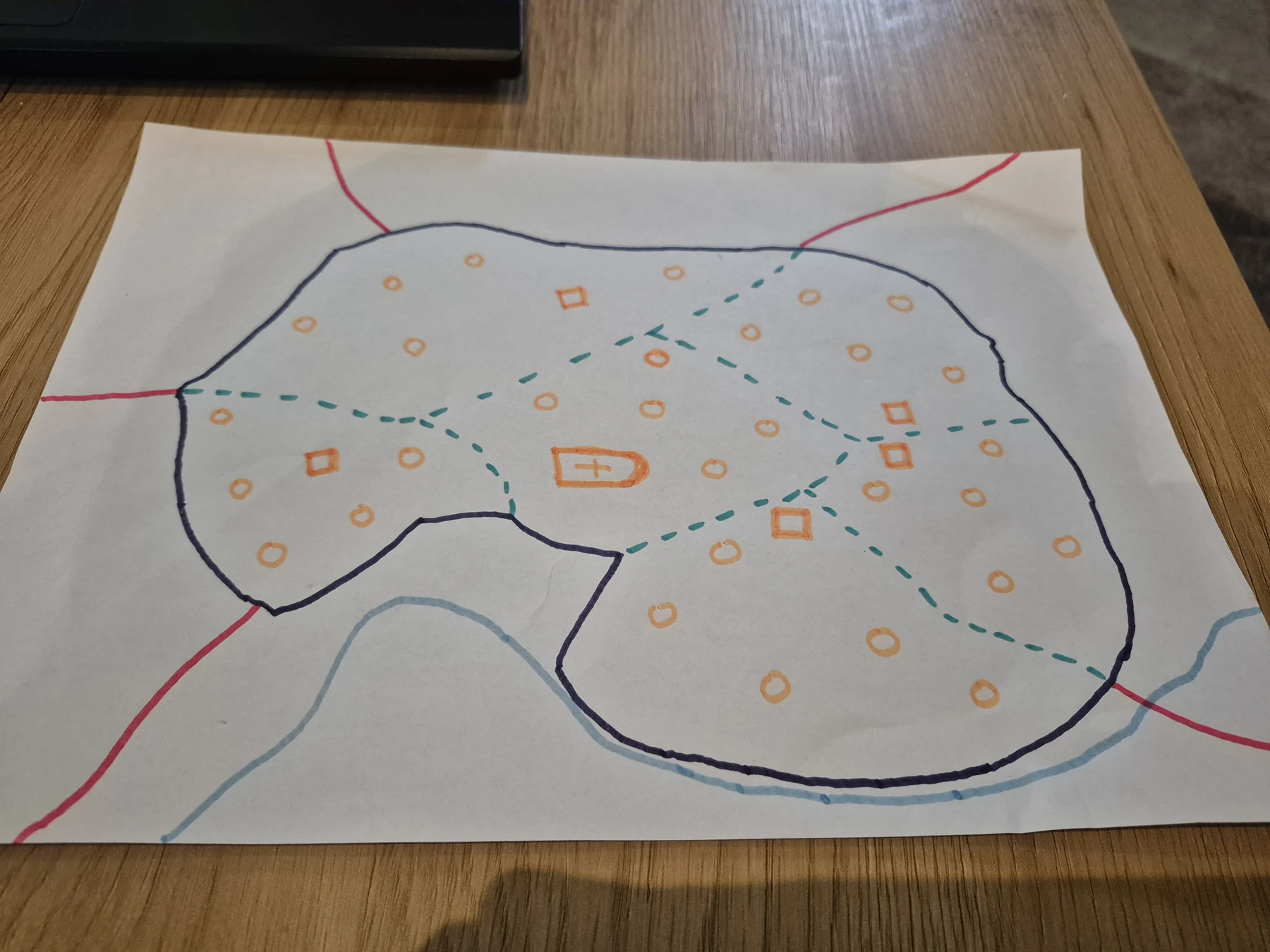
First of all, I wanted Kuttenberg.
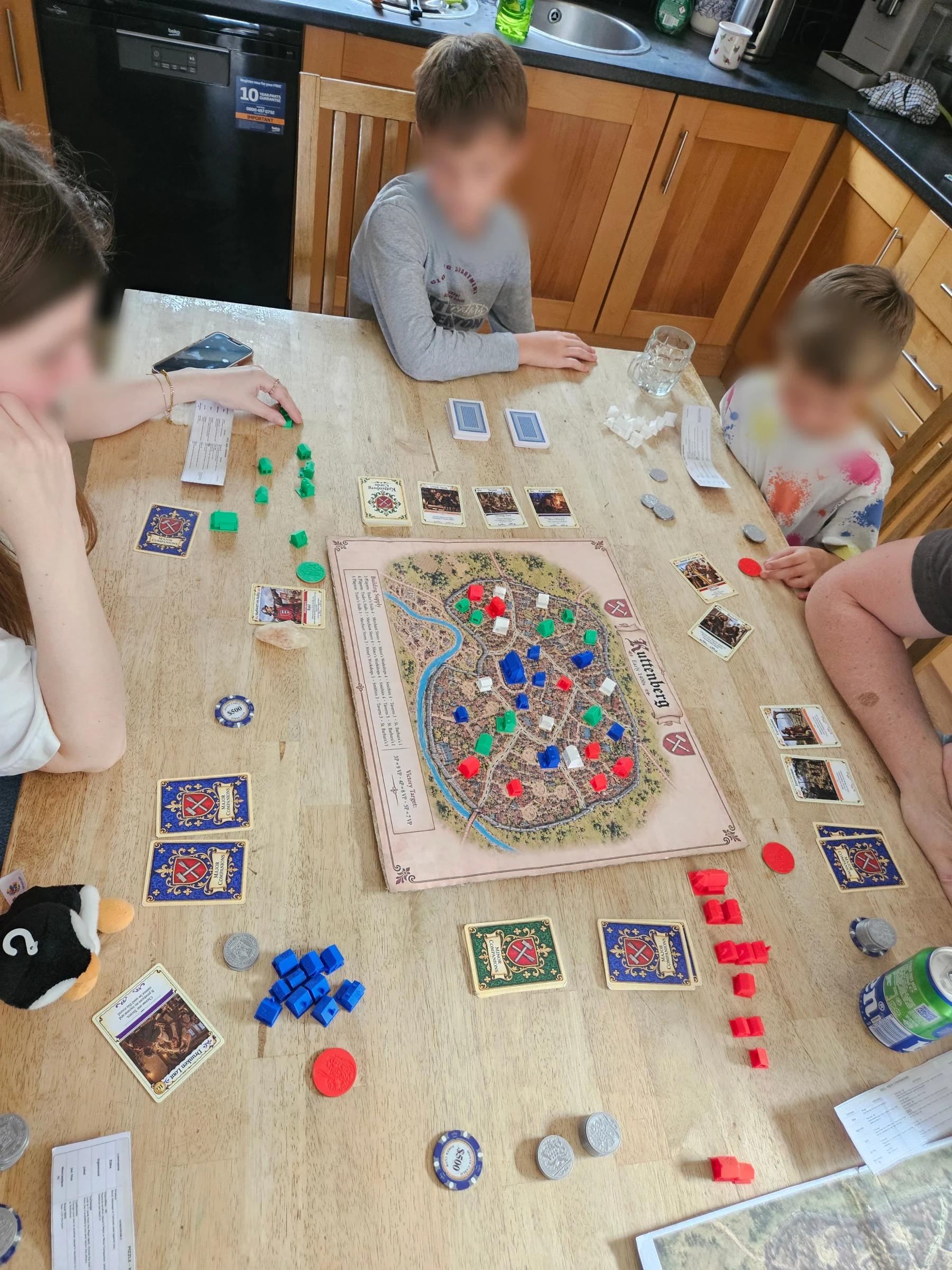
There are some excellent historical sources concerning medieval Kuttenberg, including maps that I could draw upon when designing the board. I wanted to build a recognisable city, with districts, businesses and buildings that reflected its history.
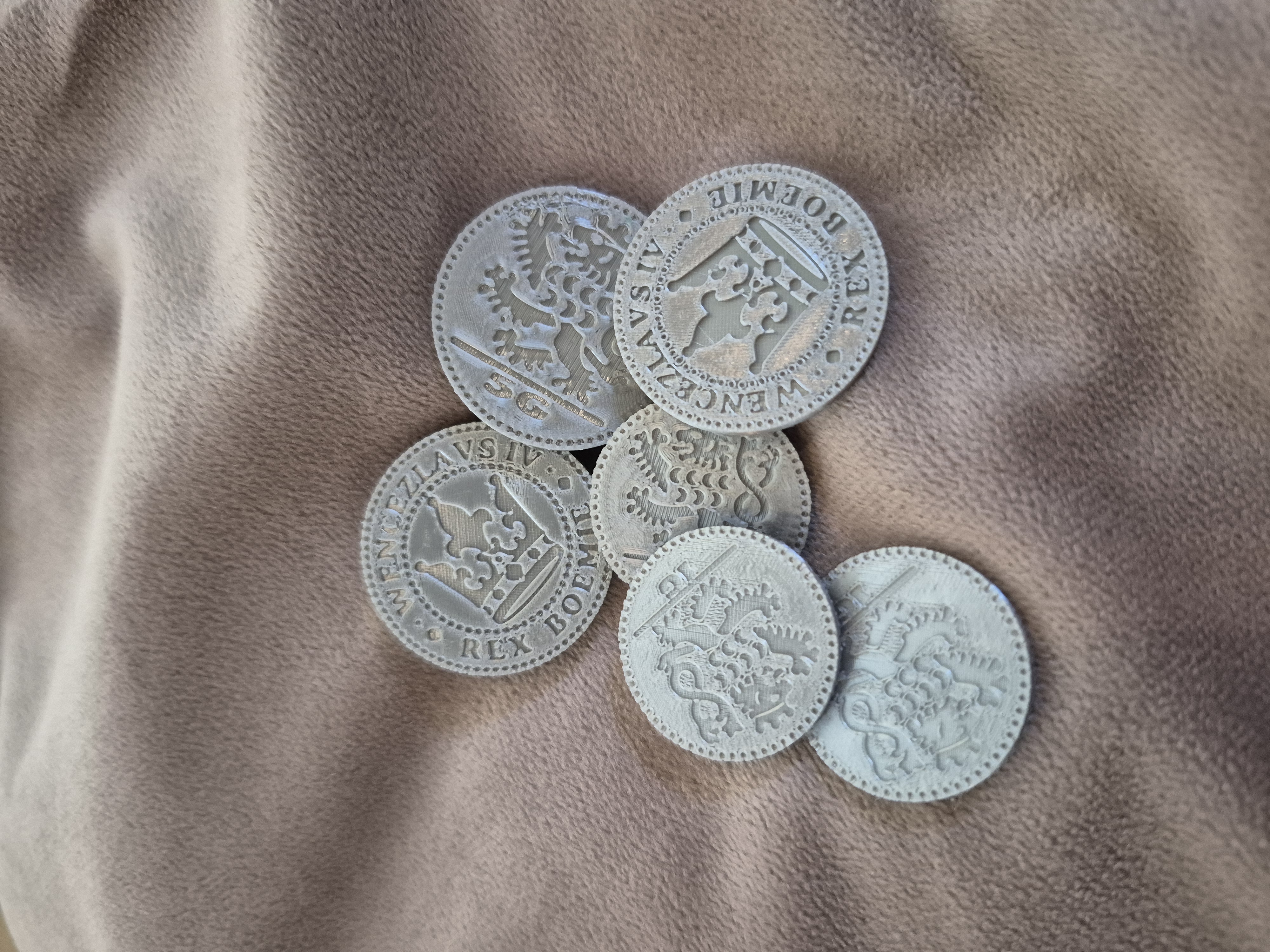
I wanted bluffing, social deduction, political intrigue and the ability to interfere with one another's plans. I wanted executions and assassinations. I wanted silver groschen stamped with the name of Wenceslaus, and beautiful playing pieces that would capture the architecture of historical Kuttenberg.
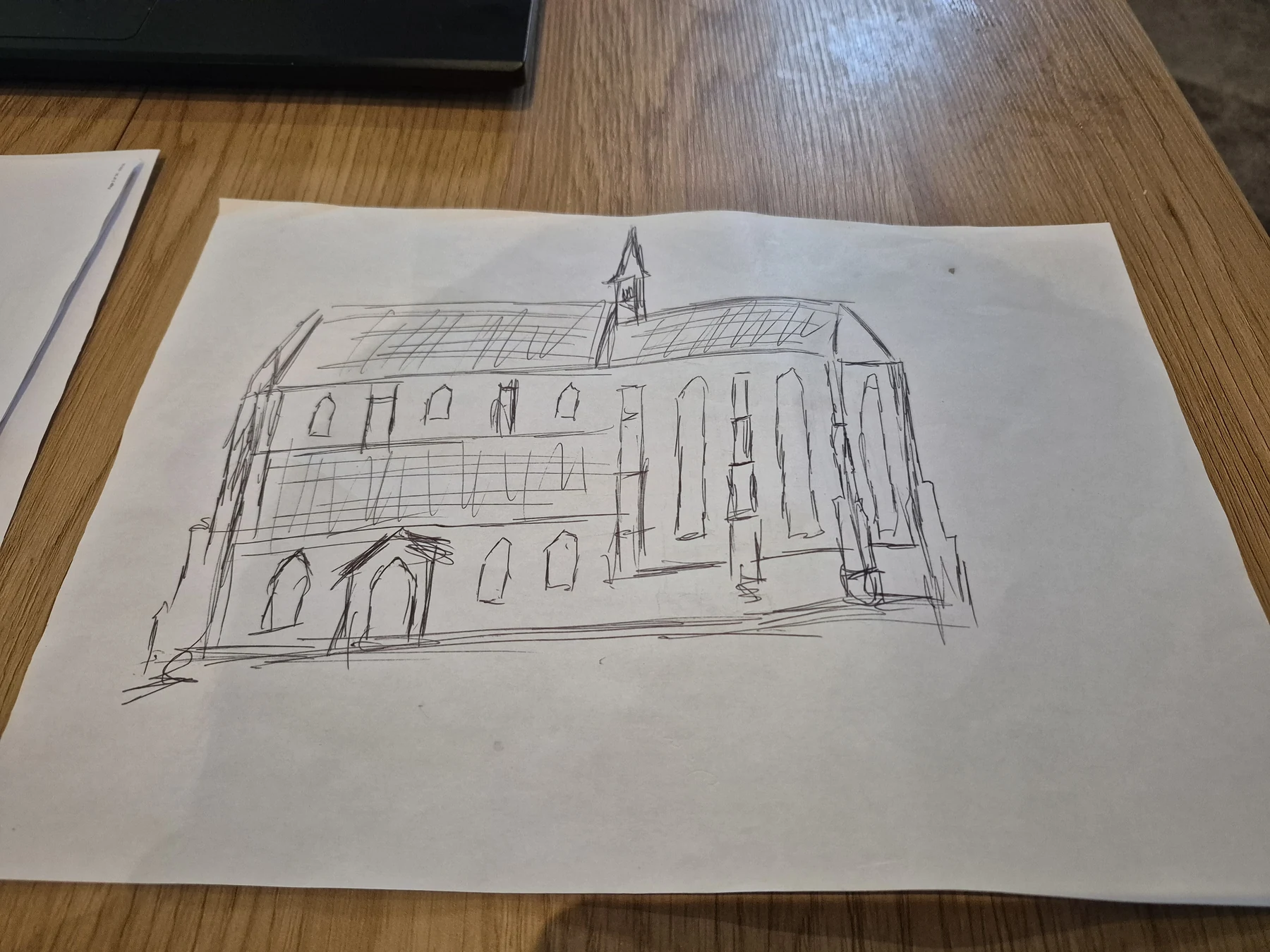
St Barbara's Church would be the centrepiece.
Of course, a wealthy silver-mining town needs an economy. Players would establish trading businesses and mining operations, earn groschen and gradually expand their holdings across the city.
But the real fun would come from the people.
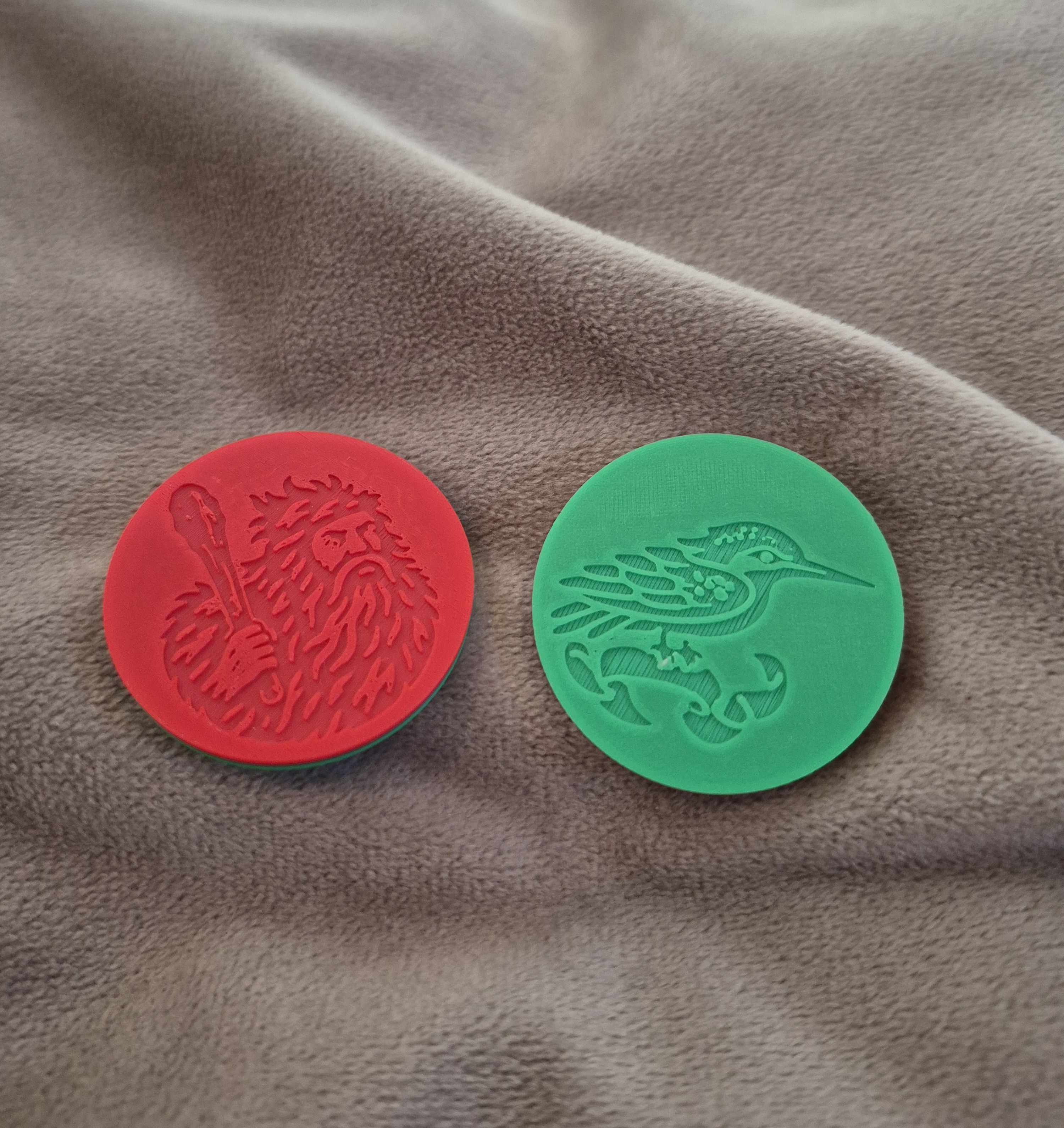
I needed the great historical personalities of the period, a supporting cast of lesser characters, and an extended collection of the ordinary people who might have inhabited the city.
And so the Major Companions, Minor Companions and Kuttenberg deck were born.
Pizzle would have a relatively straightforward economic engine, but the real enjoyment would come from the interactions between players: foiling your friends' carefully laid plans, gambling away your hard-earned money in taverns, bluffing your way through a difficult situation, or lying in wait to launch an insurrection or a land grab at precisely the right moment.
I didn't want a game that was simply about accumulating wealth and points. I wanted a game in which the players created their own stories.
Preferably ridiculous ones.
Bringing Pizzle to Life
What followed was many hours of designing, researching, modelling, printing, testing and occasionally wondering what on earth I had got myself into.
I began designing the buildings and groschen in Fusion 360, creating three-dimensional pieces that could be printed and used on the board.
I researched the historical characters and tried to weave little pieces of real history and humour into their abilities and artwork.
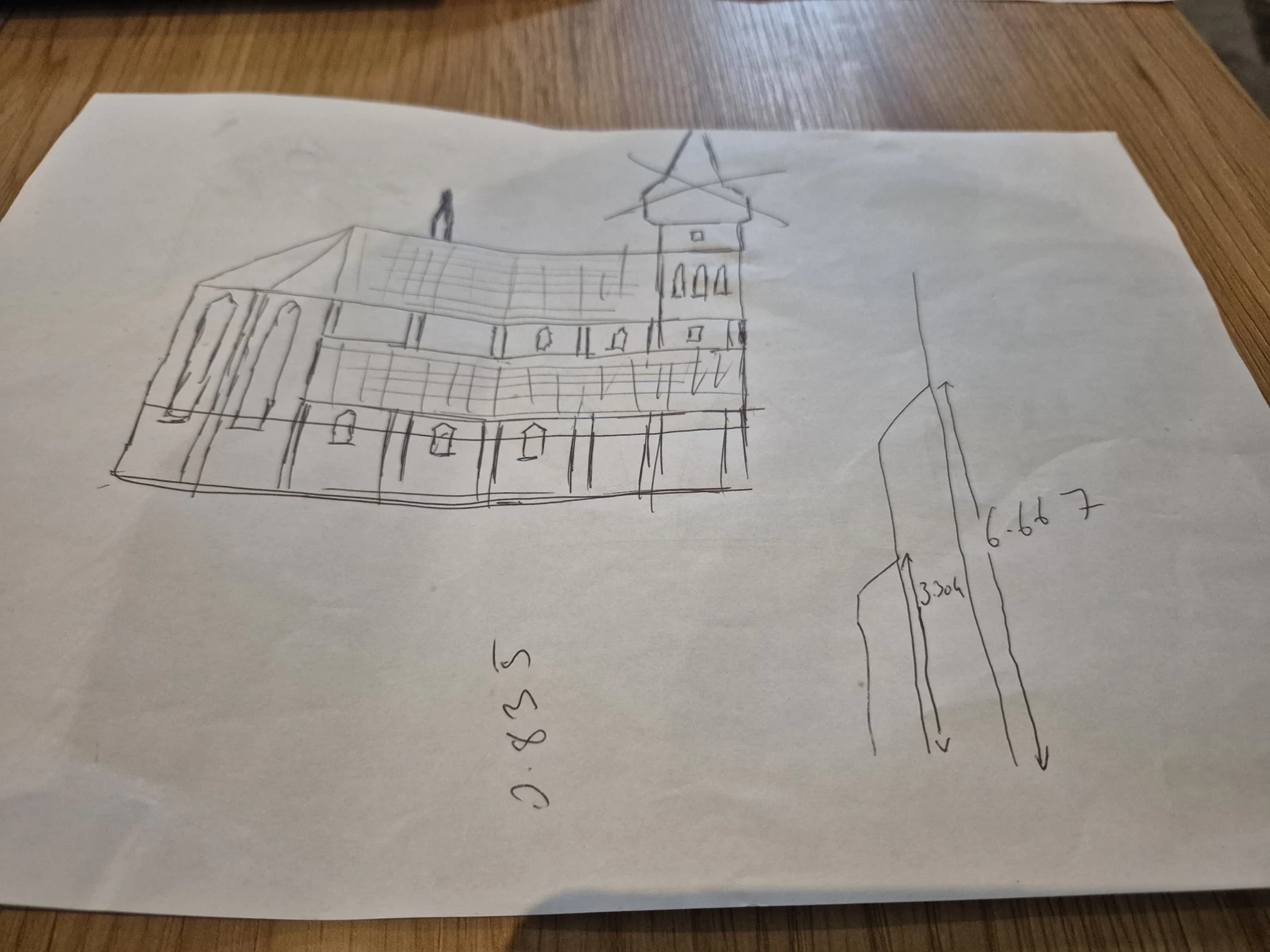
An inordinate amount of time was spent trying to establish what St Barbara's Church might actually have looked like in the early 1400s. As it turns out, recreating a building that was still under construction at the time is not entirely straightforward!
The research even extended to music.
I wanted an original Moravian-inspired folk song for an introductory video, complete with Czech lyrics. Coming from a background in Irish traditional music, getting the rhythm and phrasing right proved rather challenging. I kept finding myself drifting back into jigs and reels!
The song would never have made it out of my head without Will and Jitka O’Connor, who helped enormously with the musical arrangement and Czech translation. They did their part beautifully. My pronunciation was another matter: the feedback suggested that less than half of what I sang was understandable. Still, it mattered to me that the song should be in Czech—even if my contribution sounds less like Czech and more like a confused Irishman speaking Welsh. I hope you enjoy it, and that the subtitles help with the bits my pronunciation doesn’t.
Meanwhile, the game itself continued to evolve through playtesting.
Rules changed, characters gained and lost abilities, buildings became more or less expensive, and occasionally an apparently excellent idea turned out to be considerably less excellent once other people were allowed to play it.
But throughout the process, the aim remained the same: to create an accessible, enjoyable game that brought people together and captured something of the history, character and humour of the world that had inspired it.
A Family Project
Pizzle has been a family project from the beginning. My three boys have helped at every stage, from designing the game to shaping ideas and playtesting—and, I suspect, spotting a few flaws I’d rather have missed. My wife has shown remarkable patience while I pursued one ridiculous notion after another: buying costumes, writing a song, making an introductory video, and generally turning “I’ve had an idea” into a phrase to be met with a deep breath. Pizzle wouldn’t be what it is without their help, good humour and willingness to indulge me.
I also want to thank my brother-in-law John, who mixed the music and sang on the track, and Sean, who sang and played on it with me. Thank you to my brother Kev, and to my friends Kate, Tommy, Eamonn, Richie, Eoin, Paddy and Orla. I’m grateful to everyone who has playtested Pizzle or shared feedback for their time and patience. Hopefully, we had some fun along the way.
Pizzle for Everyone
From early on, I wanted Pizzle to be something that anyone could enjoy.
With the help of my very talented cousin Michael, we created an online multiplayer version that allows you to play with friends through your browser, whether you're using a computer, laptop or phone.
I've also made printable versions of the board, cards and rules, so you can print everything at home and play around a table without having to buy anything. Find all the Print & Play files on one page →
I wanted the game itself to be free and accessible, while also creating a physical deluxe edition for those who, like me, enjoy the tactile pleasure of handling proper cards, coins and beautifully detailed playing pieces.
The game has been a labour of love, and I've enjoyed bringing it to life.
I hope you'll enjoy playing it just as much.
Most of all, I hope it produces plenty of laughter, questionable decisions, magnificent betrayals and those wonderful moments when you look your friend in the eye and feel an overwhelming urge to exclaim:
"Are you yanking my pizzle?!"